
Segments and applications

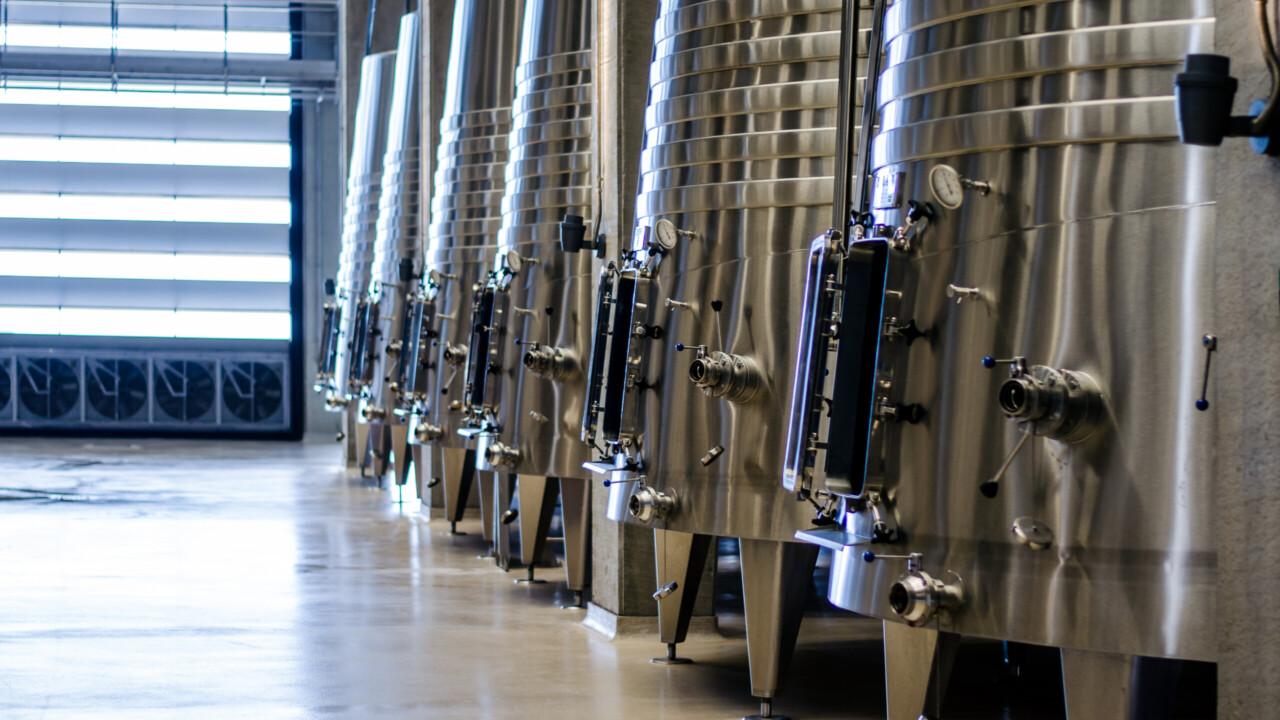
Food and beverage

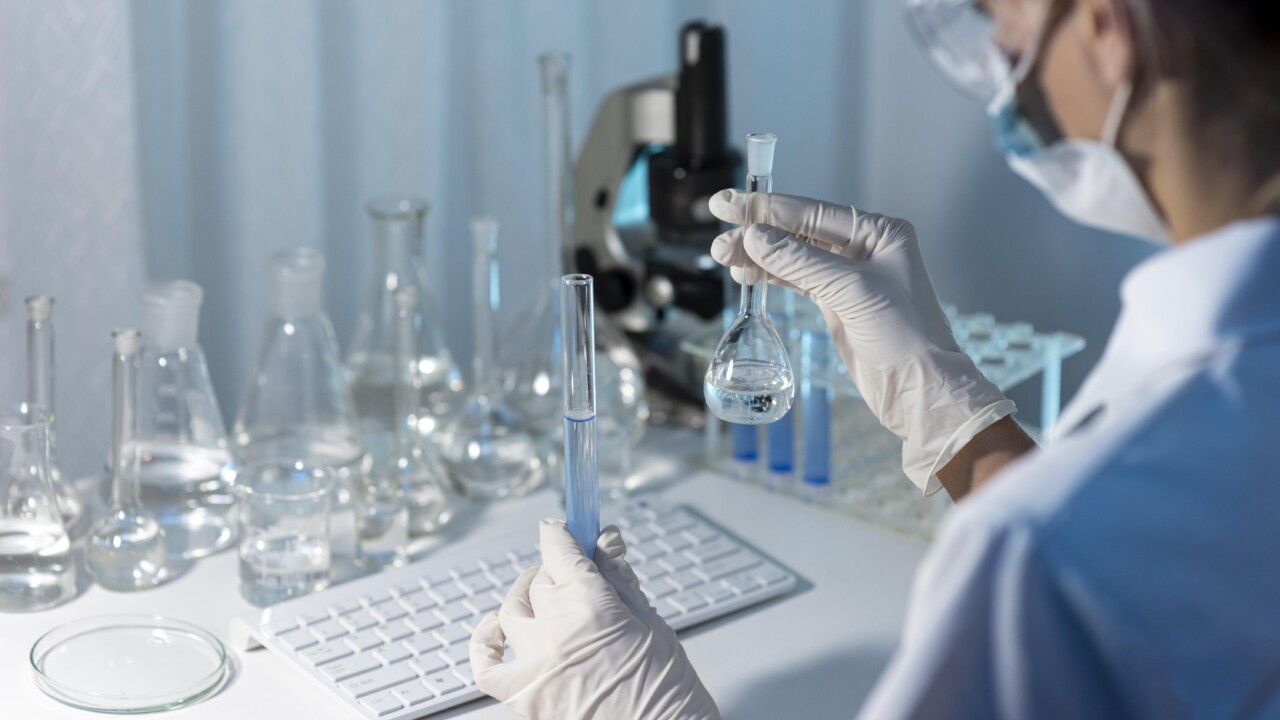
Pharmaceuticals

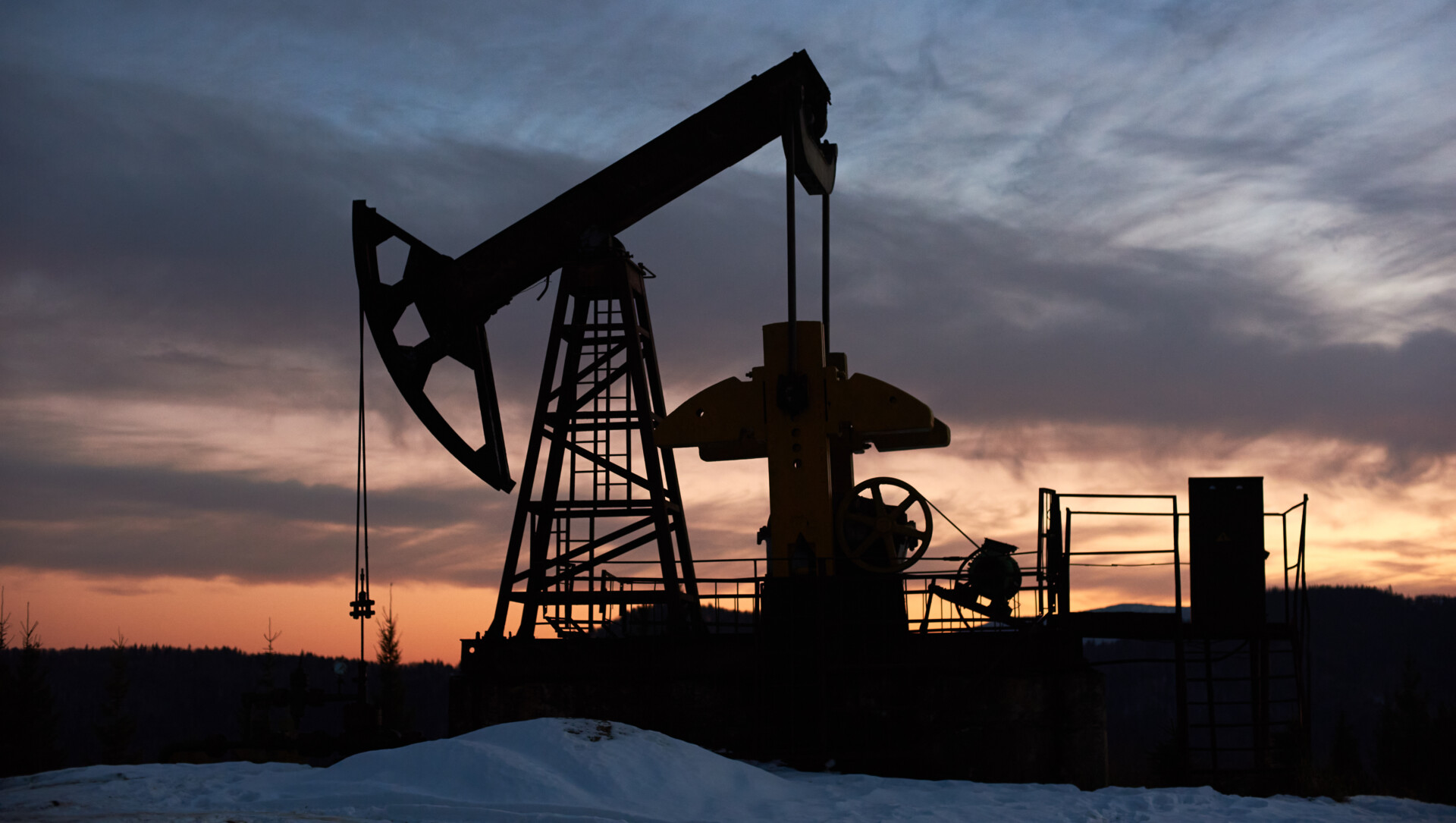
Oil & gas and chemicals

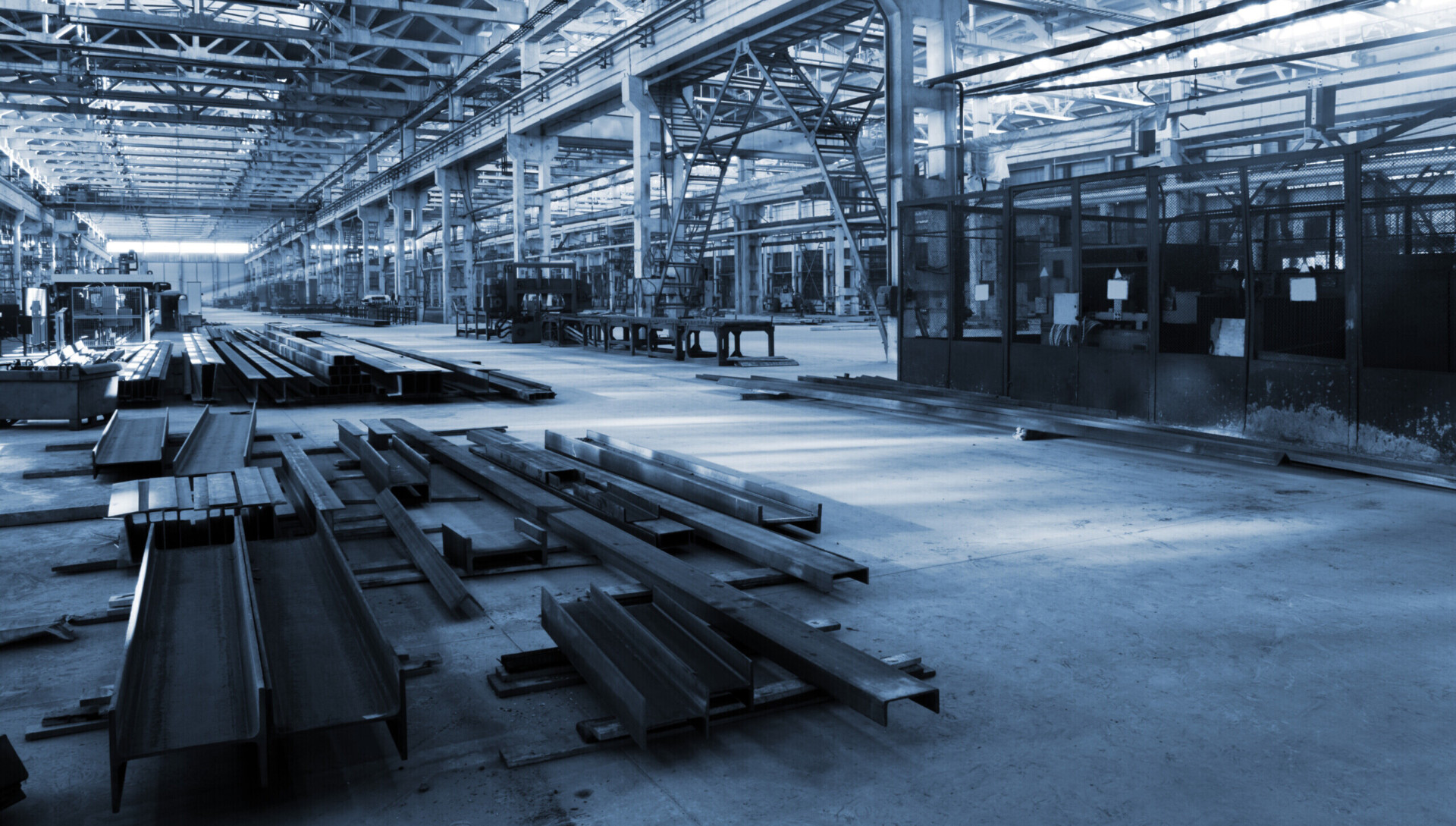
Steel

Electronics

Food and beverage

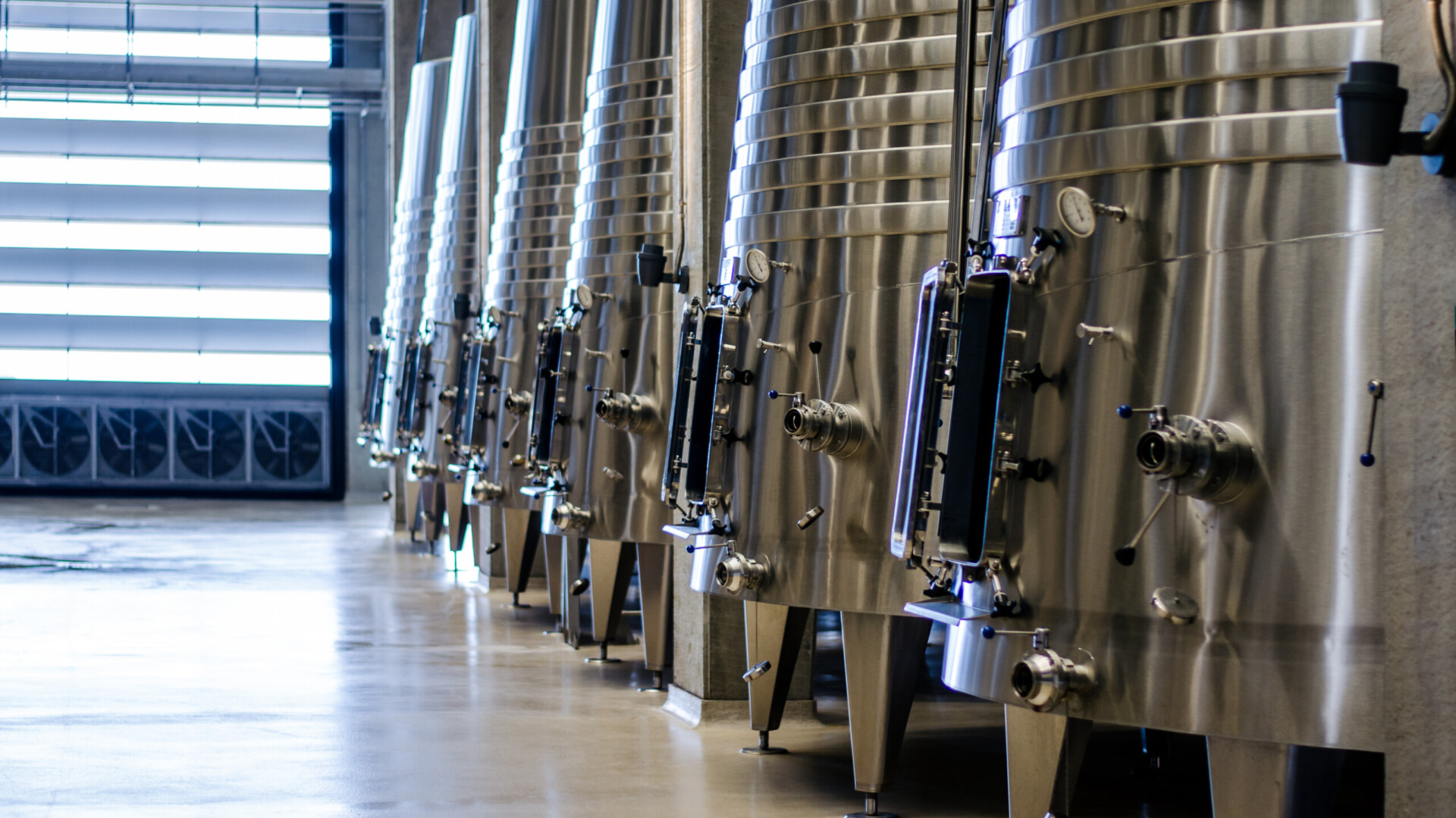
Packaging: Nitrogen gas can be used to displace oxygen in food packaging, which helps to preserve the quality and freshness of the product. This is particularly important for products such as coffee, nuts, and snack foods, which are sensitive to oxidation. 

Modified Atmosphere Packaging (MAP): Modified atmosphere is the practice of modifying the composition of the internal atmosphere of a package to improve the shelf life. This is commonly used in food or drug packaging. The modification process often tries to lower the amount of oxygen (O2), moving it from 20.9% to 0%, to slow down the growth of aerobic organisms and the speed of oxidation reactions that might take place in food and beverage products.

Dispensing: Nitrogen gas can be used to dispense beer and other carbonated beverages, which helps to create a foamy head and a smooth, creamy texture. This is because nitrogen gas is less soluble than carbon dioxide, which creates smaller bubbles and a smoother mouthfeel. 

Processing: Nitrogen gas can be used in food processing applications to help prevent oxidation and microbial growth. For example, it can be used to create an oxygen-free environment during the processing of oils and fats, which helps to prevent rancidity. 
Pharmaceutical

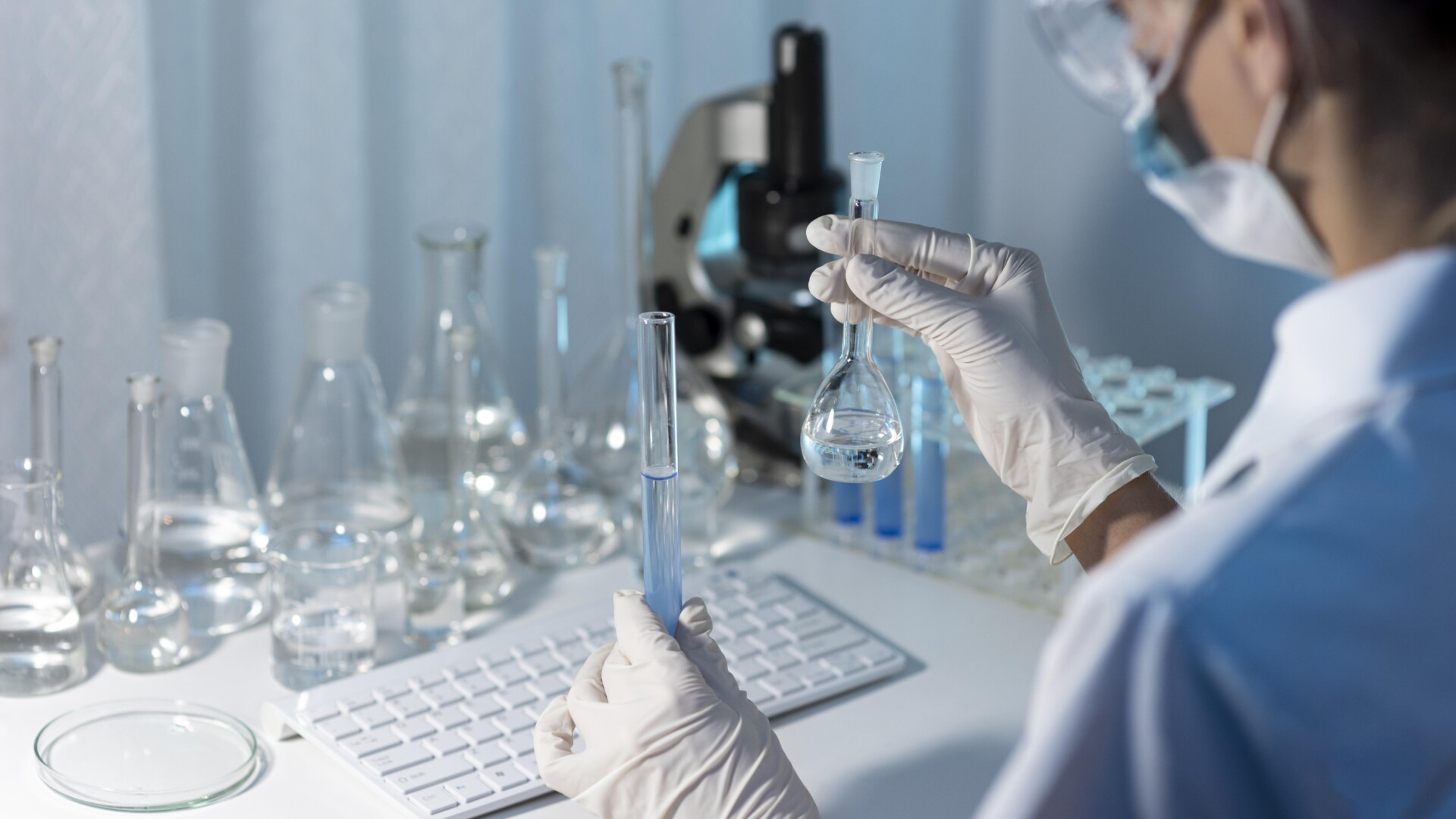
Blanketing: Creating an oxygen-free environment in pharmaceutical manufacturing and packaging processes is important for maintaining the quality and purity of the products, particularly those that are sensitive to oxidation. 

Purging: Nitrogen Purging equipment and pipelines of air, moisture, and other contaminants is important for preventing contamination of the product and maintaining the sterility of the manufacturing environment. 

Spray drying: Nitrogen gas is often used in the spray drying process, which is used to produce powdered formulations of pharmaceutical products. The nitrogen gas is used to create a low-humidity environment, which helps to prevent the powder from clumping or caking. 

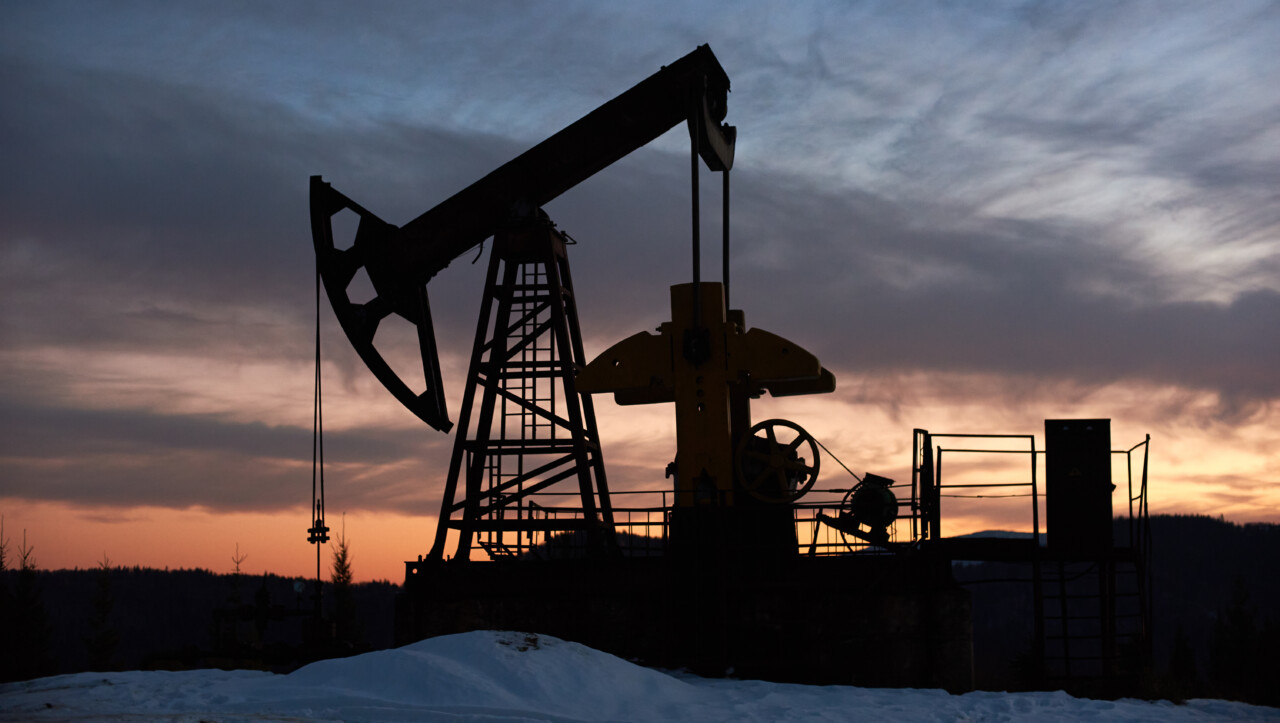
Oil & gas and chemicals

Inerting tanks for explosion prevention: Inerting is the process of replacing the air inside a tank or vessel nitrogen to prevent explosions or fires. 

Fire prevention: Nitrogen is the gas of choice to displace oxygen and prevent explosions. It is mainly used to flush piping system and blanketing of stored explosive or flammable products. The result is safety, reliability and protection from corruption through oxidation.

Pressure testing: Nitrogen is an inert gas, meaning it will not react with the materials used in the equipment or pipeline. Nitrogen can also be used to purge equipment of other gases that may be present, such as oxygen or flammable gases. 

Gas lifting: This process is known as gas lifting, and it involves injecting nitrogen into the wellbore to create pressure that helps move the oil to the surface. 

Well stimulation: Nitrogen is pumped into the wellbore and creates pressure that fractures the rock, allowing oil and gas to flow more easily. 

Corrosion prevention: By displacing oxygen and other corrosive gases, nitrogen can help protect the metal surfaces from degradation. 

Sealing of gas compressors: Nitrogen is often used as a sealing gas in compressors to prevent leakage and ensure the efficient operation of the equipment.  

Overall, nitrogen is a versatile gas that plays an important role in the oil and gas industry. Its inert properties and ability to create pressure make it a valuable tool for various applications in the industry. 

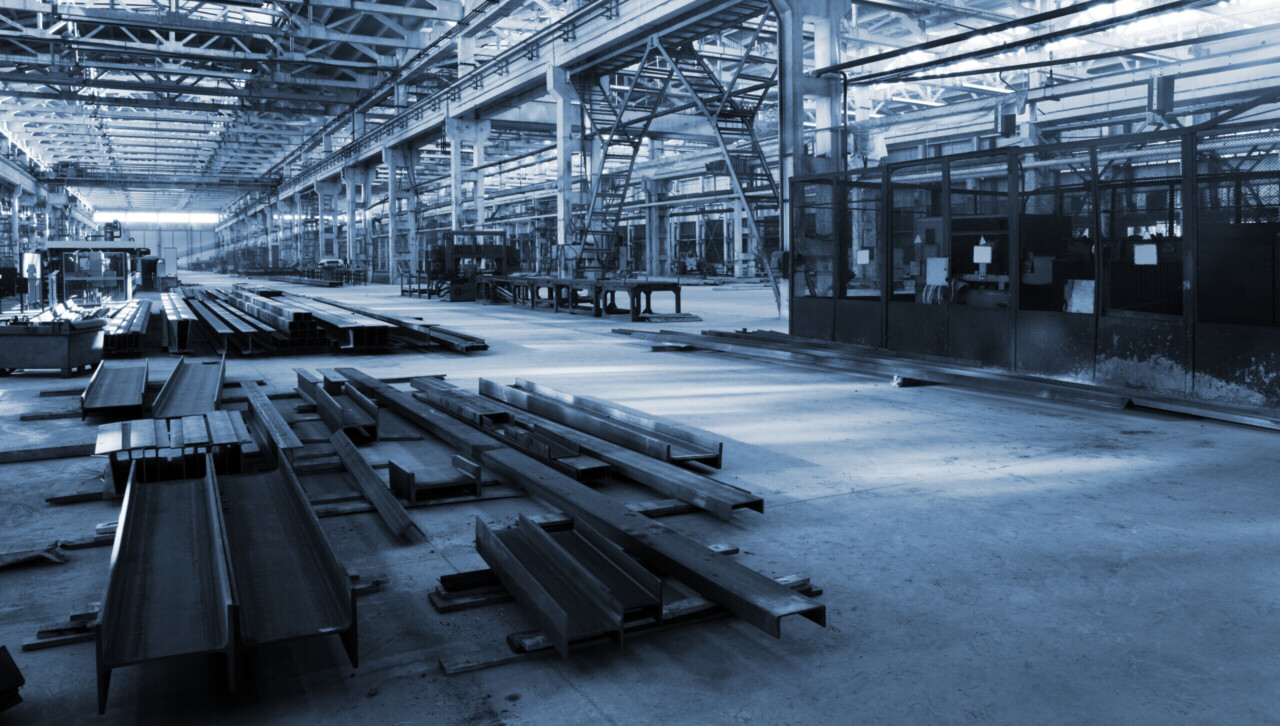
Steel

Purging: Nitrogen is used to purge oxygen and other gases from furnaces and other equipment used in the steelmaking process. This helps to prevent oxidation of the steel and ensures a high-quality end product.

Blanketing: Nitrogen is used to create an inert atmosphere in furnaces and other equipment to prevent oxidation of the steel during processing.

Cooling: Nitrogen is used as a cooling agent in the steelmaking process. It is often used in combination with water to cool hot steel and prevent warping or other damage.

Cutting: Nitrogen is used as an assist gas in plasma cutting and laser cutting of steel. The high-pressure nitrogen stream helps to blow away molten metal and other debris from the cut, resulting in a clean, precise cut.

Annealing: Nitrogen is used as a shielding gas during the annealing process, which is used to improve the properties of steel. The nitrogen creates an inert atmosphere around the steel, preventing oxidation and ensuring a high-quality end product.

Electronics

Soldering and wave soldering: Nitrogen gas is used to create an inert atmosphere around the soldering process, preventing oxidation of the metal components and ensuring high-quality solder joints. 

Reflow soldering: In this process, Nitrogen gas is used to reduce the presence of oxygen, which can cause oxidation of the solder and reduce the quality of the connection. 

Cleaning: Nitrogen gas is used to remove contaminants from electronic components during the manufacturing process. It is also used to blow away dust and debris from sensitive electronic equipment. 

Testing: Nitrogen gas is used in the testing of electronic components and devices, particularly those that are sensitive to oxygen or moisture. It can be used to create a controlled atmosphere for testing or to purge the device of oxygen or other contaminants. 

Storage: Nitrogen gas is also used to store electronic components and devices. By replacing the air with nitrogen, oxidation and other forms of degradation can be prevented, ensuring the longevity and reliability of the components.